
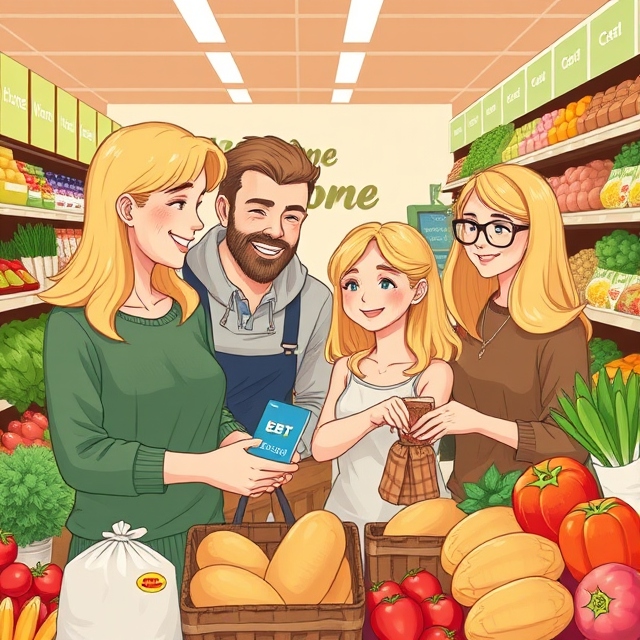
The Supplemental Nutrition Assistance Program (SNAP) is a vital initiative in the United States aimed at providing financial assistance to low-income families and individuals to help them purchase food. Commonly referred to as food stamps, this program plays a crucial role in reducing food insecurity and improving overall nutrition for millions of Americans.
What Is SNAP?
SNAP provides eligible participants with an Electronic Benefit Transfer (EBT) card that can be used to buy groceries at authorized retailers, including grocery stores and farmers’ markets. The program’s primary goal is to ensure that everyone has access to nutritious food, regardless of their financial circumstances.
Who Is Eligible for SNAP?
Eligibility for SNAP varies based on income, household size, and expenses. However, here are the basic guidelines:
- Income Limits: Generally, households must meet specific gross and net income limits based on the federal poverty line.
- Residency: Applicants must reside in the state where they are applying.
- Citizenship: U.S. citizens and some non-citizens are eligible.
- Work Requirements: Certain able-bodied adults without dependents must meet work or training requirements.
Each state has its own rules, so it’s essential to check your state’s specific eligibility criteria.
How to Apply for SNAP
Applying for SNAP is straightforward but varies from state to state. Here’s a typical application process:
- Check Eligibility: Visit your state’s SNAP website to review the specific requirements.
- Gather Documents: Prepare documents like proof of identity, income, residency, and household expenses.
- Submit an Application: Applications can often be completed online, by mail, or in person.
- Interview: Most states require an interview to verify information.
- Receive Benefits: If approved, benefits will be loaded onto an EBT card.
It’s crucial to verify your state’s process, as timelines and requirements may differ.
What Does SNAP Cover?
SNAP benefits can be used to purchase:
- Fruits and vegetables
- Bread and cereals
- Dairy products
- Meat, poultry, and fish
- Seeds and plants to grow food
SNAP cannot be used to buy items like alcohol, tobacco, or non-food items.
Why SNAP Is Important
SNAP not only helps low-income households afford food but also boosts local economies by supporting grocers and farmers. It ensures families don’t have to choose between paying bills and putting food on the table.
A Word of Advice
Each state has different criteria, benefits, and application processes for SNAP. It’s always best to check with your state’s local SNAP office or website for the most accurate information.
Acknowledgment
Some information in this article has been referenced from:
- U.S. Department of Agriculture (USDA) SNAP Program
- Benefits.gov
- Local state SNAP resources


